
Top Waterproofing Products for Reliable Moisture Protection
Explore the leading waterproofing solutions designed to safeguard your property from water damage and ensure durability.
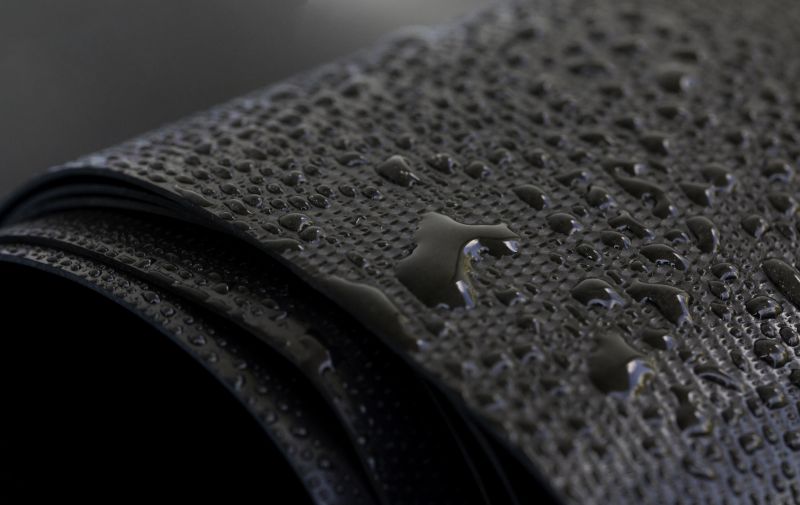 Waterproofing products are essential for protecting various structures and surfaces from water intrusion and damage. Whether you're working on a basement, roof, or outdoor surface, selecting the appropriate waterproofing solution can help prevent leaks, mold growth, and structural deterioration. Different environments and materials require specific types of waterproofing materials to ensure effective protection. From liquid coatings to membrane systems, the options available are designed to cater to diverse needs and application scenarios.
Top Overall Option
Comprehensive Waterproofing System
A versatile waterproofing system that combines multiple application methods, including liquid membranes, sealants, and protective coatings. Designed for ease of use and adaptability across various surfaces, it offers a reliable barrier against water intrusion. Suitable for both interior and exterior applications, this system provides an integrated approach to waterproofing projects, making it a practical choice for diverse needs.
Types of Products For Waterproofings
Liquid Waterproofing Membranes
Flexible liquid coatings that can be brushed, rolled, or sprayed onto surfaces to create a seamless water barrier.
Self-Adhesive Waterproofing Sheets
Pre-formed sheets with adhesive backing that adhere directly to surfaces, providing a durable waterproof layer.
Bituminous Coatings
Heavy-duty coatings made from asphalt-based materials, ideal for roofing and foundation waterproofing.
Polyurethane Sealants
Flexible sealants used to fill joints and cracks, preventing water infiltration in various structures.
Cementitious Waterproof Coatings
Waterproof coatings that can be applied directly onto concrete or masonry surfaces, often used in basements and tunnels.
Crystalline Waterproofing
Chemical treatments that penetrate concrete and form internal waterproof barriers, suitable for below-grade applications.
Spray-On Waterproof Coatings
Sprayed liquid coatings that form a protective waterproof layer, often used on irregular surfaces.
Rubberized Waterproofing Membranes
Flexible rubber membranes that adhere to surfaces, providing a resilient water barrier suitable for roofs and decks.
Liquid Rubber Coatings
Eco-friendly liquid coatings that cure to form a seamless, waterproof rubber layer.
Waterproofing Paints
Specialized paints formulated with waterproofing properties, suitable for walls and ceilings.
Drainage and Waterproofing Membranes
Combination membranes that facilitate drainage while providing waterproof protection, often used in foundation systems.
Vapor Barriers
Materials designed to prevent moisture vapor transmission, protecting insulation and interior surfaces.
Popular Choices
Widely used for their seamless application and adaptability to various surfaces.
Favored for ease of installation and reliable adhesion in many projects.
Commonly selected for roofing and foundation applications due to their durability.
Popular for sealing joints and cracks in various building components.
Often chosen for below-grade waterproofing in basements and tunnels.
Trusted for internal concrete waterproofing, especially in structural applications.
Selected for irregular or hard-to-reach surfaces requiring waterproofing.
Popular for roof decks and balconies due to their flexibility and resilience.
Favored for their seamless and elastic waterproof barrier.
Convenient for surface protection with added aesthetic options.
Chosen for foundation waterproofing that also manages water drainage.
Important for controlling moisture vapor in walls and floors.
Proper application and selection of waterproofing products can extend the lifespan of buildings and outdoor structures. It is important to consider factors such as the type of surface, exposure to weather elements, and the level of water resistance required. Some products are suitable for interior use, while others are designed for external application to withstand harsh environmental conditions. Understanding the characteristics of each product type can aid in making informed decisions that align with project requirements.
In addition to traditional options, innovative waterproofing solutions have emerged, offering improved ease of use and durability. These include spray-on coatings, self-adhesive membranes, and sealants that provide flexible yet robust barriers against water infiltration. Proper surface preparation and adherence to application instructions are key to maximizing the effectiveness of any waterproofing product. Consulting with professionals or thoroughly reviewing product specifications can help ensure the chosen solution meets specific needs.
Whether for residential, commercial, or industrial projects, selecting the right waterproofing products can be a crucial step in safeguarding structures from water damage. By understanding the different types, features, and considerations involved, property owners and contractors can better plan and execute waterproofing strategies that promote longevity and structural integrity.
Key Buying Considerations
- Surface compatibility: Ensure the product is suitable for the material you are waterproofing.
- Application method: Choose a product that aligns with your preferred application technique, such as spraying, brushing, or rolling.
- Water exposure level: Consider the environmental conditions and water pressure the product must withstand.
- Flexibility and elasticity: For surfaces subject to movement, select products that can flex without cracking.
- Durability: Assess the longevity and resistance to UV rays, chemicals, and weathering.
- Ease of installation: Some products require professional application, while others are DIY-friendly.
- Compatibility with other materials: Verify that the waterproofing product works well with adjacent surfaces and coatings.
- Curing time: Be aware of how long the product takes to set and develop its full waterproofing properties.
- Cost and budget: Balance the product’s performance features with your budget constraints.
- Environmental conditions: Consider temperature ranges and humidity levels during application and use.
- Maintenance requirements: Some waterproofing solutions may need periodic reapplication or touch-ups.
- Certifications and standards: Look for products that meet relevant building and safety standards.
- Vapor permeability: Decide if vapor transmission is desirable or should be minimized for your project.
- Aesthetic considerations: For visible surfaces, select finishes that also provide an attractive appearance.
- Environmental impact: While not eco-focused, consider any safety data or VOC content for indoor applications.